 Facebook
 Instagram
 YouTube
 TikTok
What the Dickens? Part 3
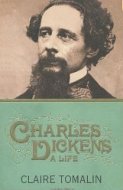 You may have seen me coming and going on the London underground this past week. Yes, that was me bowed under the weight of my library copy of Charles Dickens: A Life (it needed a bag all of its own) and trying to read it in cramped tube conditions. I’d had the book ‘reserved’ at the library for so long I’d almost forgotten all about it, and with another reservee in the queue, I’ve been cramming in Claire Tomalin’s excellent work at every opportunity. So, sorry if you got walloped by the bag as I squeezed off a train.
Having thoroughly enjoyed Tomalin’s biography of Austen, this sumptuously packaged tome doesn’t disappoint, and it’s revived my ‘What the Dickens?’ posts, you lucky, lucky people. While it’s given me plenty of food for thought, what I particularly dwelled on this week was how Dickens was a very ‘modern’ author. He wasn’t secluded in an ivory tower, or aloof from his reading public with only a select coterie. Instead, Dickens toured exhaustively through England and America during the 1860s, ignoring advice from friends who considered this lucrative sideline to be beneath him. He filled public halls with multitudes eager to listen to his scripted, condensed readings of his most beloved stories and characters, demonstrating an energy and inclination to meet his public that few contemporary authors could have matched. Here’s just a partial list of the cities covered in one tour (36 readings in a mere month and a half – wow): London, Liverpool, Manchester, Birmingham, York, Glasgow, Edinburgh, Dublin, Belfast…the list goes on.
Considering we’re approaching the end of a busy, busy tour with Rachel Caine, it’s easy to draw parallels. So, a tip of the hat to Mr Dickens who was thoroughly ahead of the curve in embracing the idea that writing the book is only half of an author’s job.
Lesley-Anne Crooks, Sales & Digital Manager